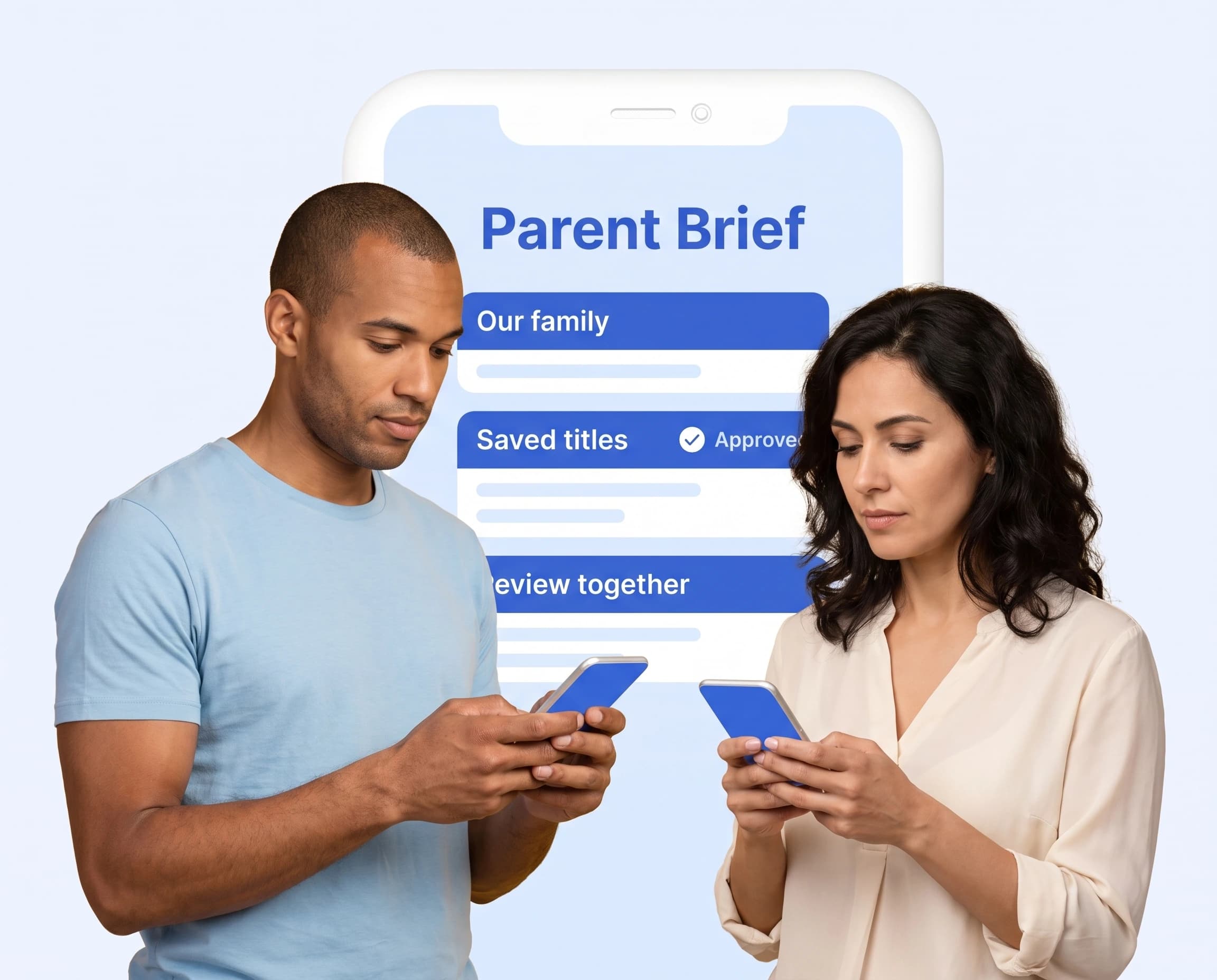
El consumo de medios de los niños ha cambiado de forma radical. Esto es lo que nos dice la investigación más reciente sobre cómo se relacionan hoy los niños con los medios.
Las cifras clave de un vistazo
Tiempo de pantalla por edad
- De 0 a 2 años: una media de 49 minutos al día (la AAP recomienda evitar las pantallas salvo las videollamadas)
- De 2 a 4 años: una media de 2,5 horas al día
- De 5 a 8 años: una media de 3 horas al día
- De 8 a 12 años: una media de 4 a 6 horas al día
- Adolescentes de 13 a 18 años: una media de 7 a 9 horas al día (sin contar las tareas escolares)
Uso de plataformas
- YouTube: el 89 % de los niños de 5 a 15 años usa YouTube con regularidad
- Plataformas de streaming: el 78 % de los hogares con niños está suscrito al menos a una plataforma de streaming
- Videojuegos: el 76 % de los menores de 18 años juega a videojuegos
- Redes sociales: el 54 % de los niños tiene cuentas antes de los 13 años (la edad mínima exigida)
Preocupaciones sobre la exposición al contenido
Encuentros con contenido inapropiado
Las investigaciones de Common Sense Media y otras organizaciones revelan que:
- El 56 % de los niños de 10 a 15 años se ha encontrado con contenido violento que le resultó perturbador
- El 47 % de los padres afirma que su hijo ha accedido por accidente a contenido inadecuado para su edad
- El 38 % de los niños ha visto contenido sexual en internet antes de los 11 años
- El 65 % de los padres se siente desbordado al intentar supervisar los medios que consumen sus hijos
Impacto en el desarrollo
Alteraciones del sueño
- Los niños con pantallas en el dormitorio duermen entre 20 y 30 minutos menos cada noche
- El 42 % de los adolescentes afirma revisar sus dispositivos durante la noche
Atención y concentración
- Los medios de ritmo rápido se relacionan con una menor capacidad de atención en menores de 6 años
- Los grandes consumidores de medios muestran un rendimiento escolar un 11 % más bajo
Bienestar emocional
- Más de 3 horas diarias de redes sociales se relacionan con mayores tasas de ansiedad y depresión
- La exposición a medios violentos se asocia con más pensamientos agresivos (no necesariamente con conductas agresivas)
La buena noticia
No todo en los medios es negativo. Cuando se usan de forma adecuada:
- El contenido educativo puede acelerar el aprendizaje un 17 % en las materias principales
- Ver el contenido con los padres mejora la comprensión un 40 %
- La programación de calidad (como PBS o las apps educativas) se asocia con un vocabulario más rico
- Los videojuegos pueden mejorar la resolución de problemas y el razonamiento espacial
Qué pueden hacer los padres
1. Pon límites claros
Establece momentos sin pantallas (las comidas, antes de dormir) y espacios sin pantallas (los dormitorios).
2. Vean el contenido juntos y coméntenlo
Mira el contenido con tus hijos y hablen de lo que ven. Así mejora su comprensión y puedes abordar el contenido preocupante.
3. Usa herramientas de revisión de contenido
Servicios como ParentBrief te ayudan a revisar el contenido antes de que tus hijos accedan a él, con desgloses detallados de los temas, la violencia, el lenguaje y la adecuación a la edad.
4. Da buen ejemplo
Los niños imitan a sus padres. Tus propios hábitos con las pantallas influyen en los suyos.
5. Prioriza la calidad sobre la cantidad
No todo el tiempo de pantalla es igual. El contenido educativo e interactivo es mejor que el consumo pasivo.
Recomendaciones por edad
| Grupo de edad | Límite diario | Buenas prácticas |
|---|---|---|
| Menores de 2 años | Evitar (salvo videollamadas) | Priorizar el juego interactivo |
| De 2 a 5 años | 1 hora como máximo | Solo programación de alta calidad, vista en compañía |
| De 6 a 12 años | 1 a 2 horas | Equilibrar con actividad física, primero las tareas |
| Desde los 13 años | Acordado juntos | Negociar los límites, mantener un diálogo abierto |
En resumen
Los medios son una parte inevitable de la infancia actual. El objetivo no es eliminarlos, sino usarlos de forma informada e intencionada. Si entiendes lo que consumen tus hijos y eliges el contenido de forma consciente, puedes aprovechar sus beneficios y reducir al mínimo los riesgos.
Fuentes: American Academy of Pediatrics, Common Sense Media, Journal of Pediatrics, Nielsen Media Research, Pew Research Center
Última actualización: febrero de 2026