As parents, we want our children to enjoy books, movies, and TV shows without being exposed to content that conflicts with our family values. Today's media landscape includes more ideological content than ever before, making it crucial to screen what your kids consume.
Why Content Screening Matters More Than Ever
Modern children's entertainment increasingly includes:
- Political messaging disguised as entertainment
- Gender ideology and identity themes in kids' content
- Progressive social agendas in animated movies
- LGBTQ+ themes in content marketed to young children
- Anti-family messaging that undermines parental authority
Parents have the right and responsibility to decide what messages their children receive.
What to Look For
Red Flags in Children's Media
- Subtle ideological messaging
- Characters promoting specific political viewpoints
- Storylines that normalize controversial behaviors
- Content that questions traditional family structures
- Age-inappropriate themes
- Gender identity discussions for young children
- Sexual orientation topics in kids' cartoons
- Progressive social themes disguised as "diversity"
- Anti-parent messaging
- Parents portrayed as villains or obstacles
- Children shown as wiser than adults
- Authority figures depicted negatively
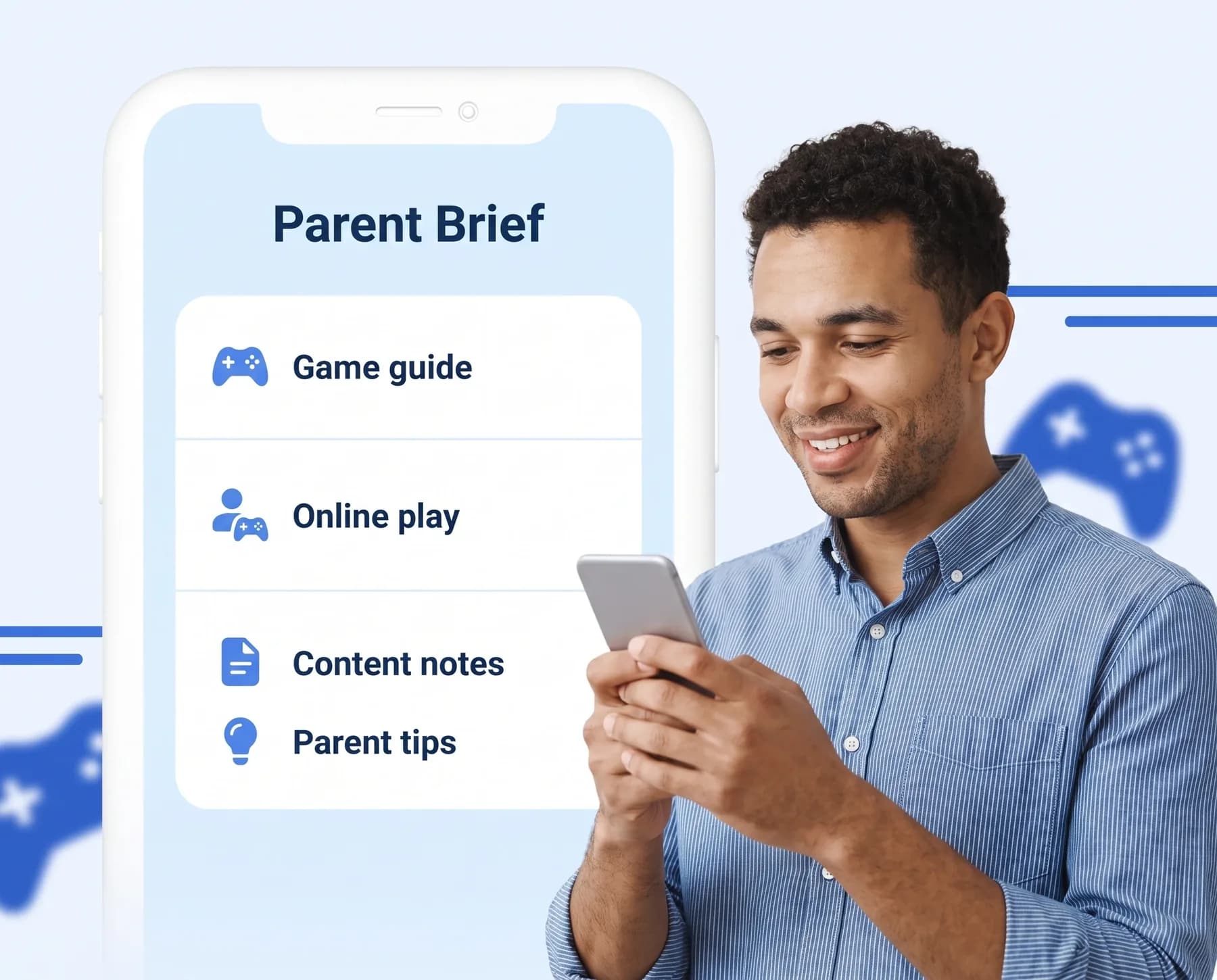
How ParentBrief Helps
Our system specifically screens for:
🏳️🌈 Ideological Content Detection
- LGBTQ+ themes and representation
- Gender ideology messaging
- Political propaganda in entertainment
- Progressive social messaging
👨👩👧👦 Family Values Assessment
- Traditional vs. non-traditional family portrayals
- Religious and moral themes
- Parental authority representation
- Character role models
⚠️ Content Warnings
- Specific scene identification
- Detailed theme breakdown
- Age-appropriate recommendations
- Alternative suggestions
Practical Tips for Parents
Before Watching or Reading
- Always screen first - Use ParentBrief to analyze content before your kids see it
- Read reviews from like-minded parents - Find communities that share your values
- Check multiple sources - Don't rely solely on mainstream ratings
- Trust your instincts - If something feels off, it probably is
Setting Boundaries
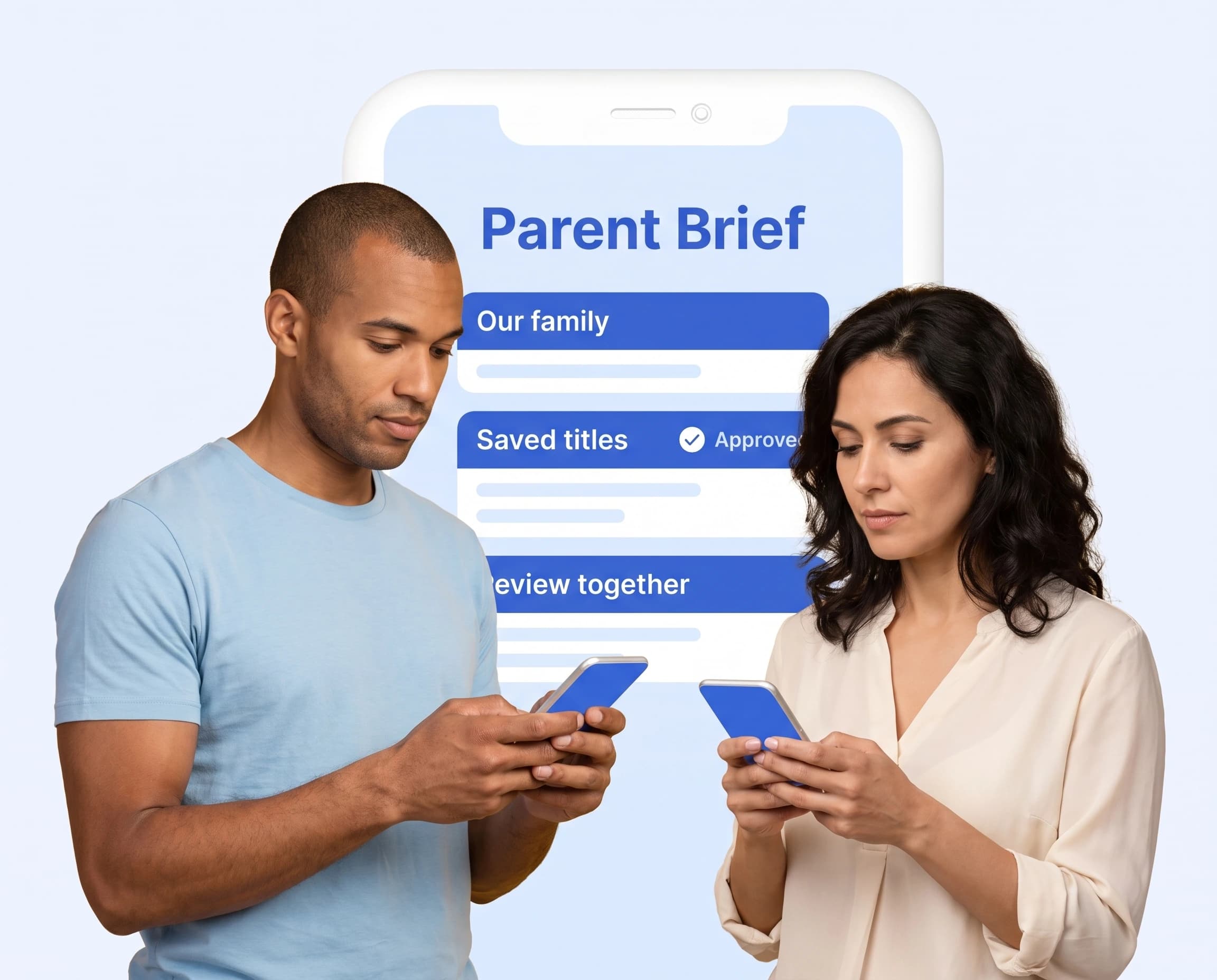
- Create an approved list - Pre-screen and approve content in advance
- Establish clear rules - Kids should ask before watching anything new
- Watch together - Co-viewing allows you to pause and discuss
- Discuss what you find - Help kids understand why certain content isn't appropriate
Common Questions
Q: Isn't this censorship?
A: No. Parents have every right to choose what their children are exposed to. Screening content for your own family is responsible parenting, not censorship.
Q: Won't my kids feel left out if they can't watch popular shows?
A: There are plenty of quality entertainment options that align with traditional values. Help your kids understand why you make these choices.
Q: How do I explain my choices to my children?
A: Be honest and age-appropriate. "Our family believes certain things, and we choose entertainment that reflects our values."
Q: What about school or friends' houses?
A: Teach your children to recognize inappropriate content and give them language to excuse themselves politely.
Resources for Parents
- ParentBrief - Advanced content screening
- Common Sense Media - Family reviews (filter for your values)
- Parent-focused review sites - Find communities that share your perspective
- Your local library - Many have family-friendly sections
The Bottom Line
You don't have to accept whatever Hollywood or publishers decide to put in front of your children. Tools like ParentBrief give you the power to screen content quickly and thoroughly, ensuring your kids enjoy entertainment that aligns with your family's values.
Start screening smarter today. Your family's values are worth protecting.